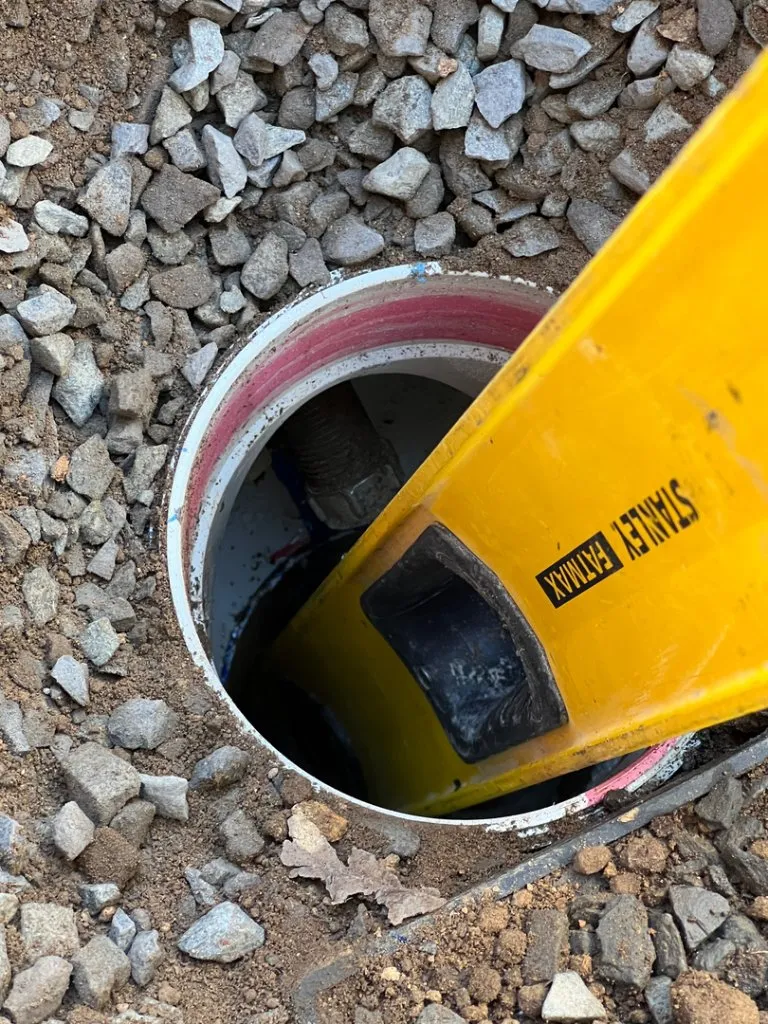
For apartment blocks and strata schemes in the Illawarra region, protecting the shared water supply is not just good practice — it is a legal obligation. Backflow prevention devices stop contaminated water from flowing backwards into the drinking water mains, and the responsibility for installing and maintaining them falls squarely on the property owner. For strata committees and building managers in Wollongong, Kiama, Shellharbour and surrounding suburbs, understanding the rules around backflow device installation in apartment blocks can help avoid compliance issues, fines and serious health risks.
Why Backflow Prevention Matters in Multi-Unit Buildings
Backflow is the undesirable reversal of water flow that can carry contaminants into the drinking water supply. In an apartment block, potential hazards include garden irrigation systems, fire hose reels, swimming pool top-up lines and even toilet douche seats. If any of these are connected to the common water supply without adequate protection, a drop in mains pressure could draw chemicals, bacteria or other pollutants back into the pipes shared by all residents. This is why containment protection — a device installed at the property boundary — is required to protect the community water supply from the entire building.
Under NSW regulations, property owners are responsible for installing and maintaining backflow prevention devices. For apartment blocks, this means the body corporate (owners corporation) must ensure that suitable devices are in place at each connection point where water enters the property. If a building has multiple water services — for example, separate connections for the main building, fire services and irrigation — separate backflow prevention is needed at each service.
Understanding NSW Compliance Requirements
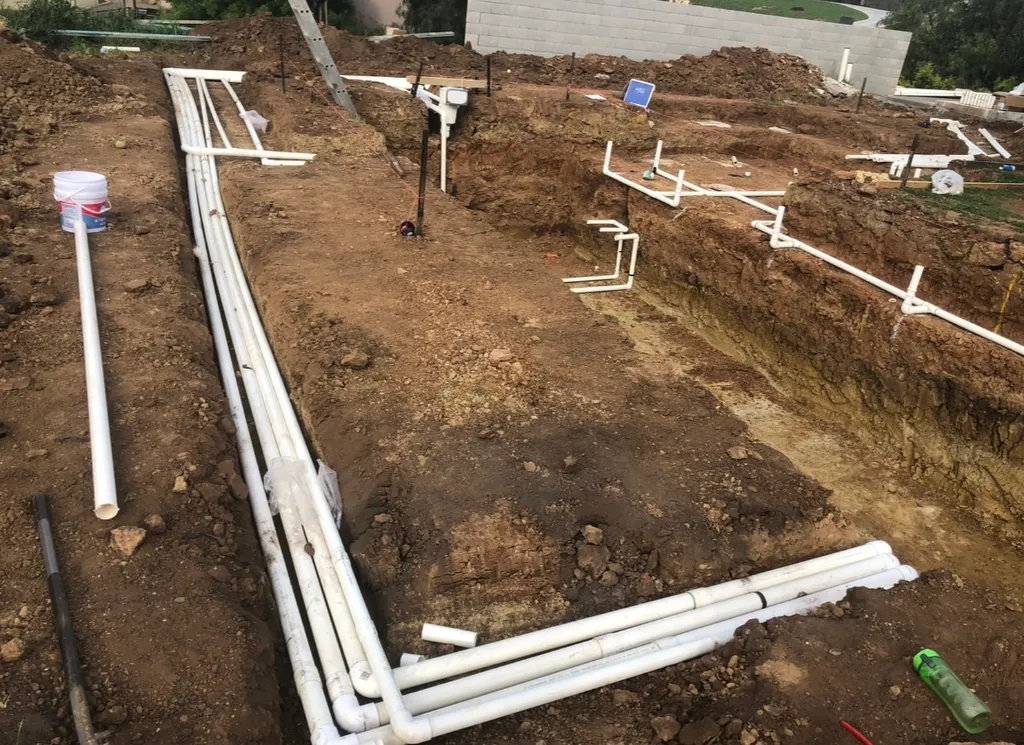
A licensed plumbing contractor must install, commission and repair all backflow prevention devices. In NSW, the work must be carried out by an accredited backflow plumber who can assess the site's hazard rating and test the device. The hazard rating — low, medium or high — is determined based on the activities and fixtures on the property, not simply the building type. For example, a toilet douche seat where the outlet is not at least 25 mm above the WC pan overflow requires high hazard backflow protection, such as an integral AG/AVB or external RPZD.
Once installed, devices on medium or high hazard properties must be registered and tested at least annually by a licensed plumber endorsed for backflow testing. In NSW, test results must be lodged with the relevant water authority within two days of the test. This tight timeframe means strata managers cannot afford to delay scheduling annual checks.
Fire service connections are a common feature in apartment blocks and typically require medium rated backflow prevention. In NSW, the regulation specifies a testable double check detector assembly for fire services. This differs from some other states, where a double check valve or registered break tank may be accepted. For strata schemes in the Illawarra, compliance must follow Sydney Water's specific requirements.
The Installation Process for Apartment Blocks
The first step is a site assessment by an accredited backflow plumber. The plumber will inspect all water outlets, fixtures and potential cross-connections on the property to determine the overall hazard rating. This assessment covers common areas, fire services, irrigation and any equipment in individual units that could affect the shared supply, such as boilers, cooling towers or medical equipment in a care facility within the block.
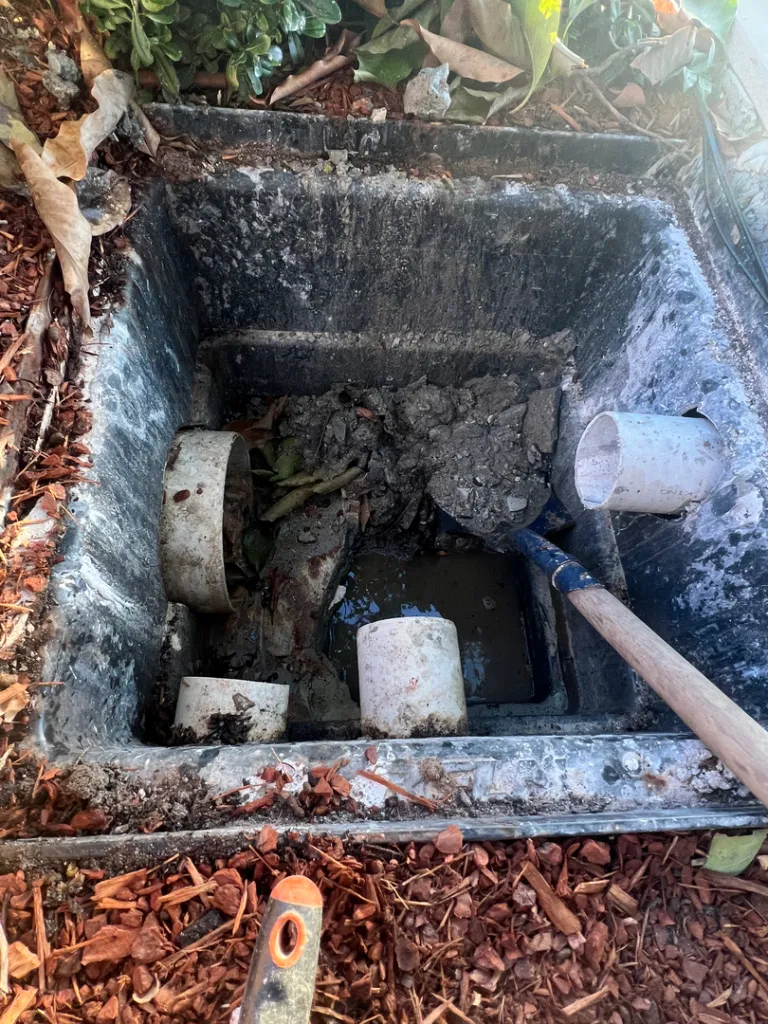
Based on the hazard rating, the plumber will recommend the appropriate type of backflow prevention device for each service connection. Containment devices are installed at the property boundary, typically in a meter box or a dedicated pit accessible for testing and maintenance. For high hazard situations, a Reduced Pressure Zone Device (RPZD) is often used; for medium hazard, a double check valve (DCV) may suffice. The exact selection depends on the site assessment and manufacturer specifications.
After installation, the device must be commissioned and tested by the same accredited plumber. The test results are then lodged with the water authority and the device is added to the register for ongoing annual testing. For strata managers, keeping a record of installation certificates and annual test reports is essential for demonstrating compliance during audits or when the property is sold.
Choosing the Right Device: Hazard Rating Summary
The table below summarises the typical devices required at different hazard ratings. Final selection always depends on the accredited plumber's site assessment.
| Hazard Rating | Typical Apartment Scenarios | Common Device | Annual Test? |
|---|---|---|---|
| Low | Residential drinking water with no cross-connection risk | Dual Check Valve (non-testable) | No (visual only) |
| Medium | Fire hose reels, garden irrigation, pool top-up | Double Check Valve (DCV) or DCDA on fire service | Yes — annually |
| High | Cooling towers, douche seats <25mm clearance, medical/care equipment | Reduced Pressure Zone Device (RPZD) | Yes — annually |
Why Body Corporates Must Stay on Top of Backflow Prevention
Failing to install or maintain backflow devices can have serious consequences. The water authority has the power to disconnect supply if a property poses a contamination risk. Non-compliance may also result in fines, legal liability if contamination occurs and difficulty selling the property if certificates of compliance are missing. For strata committees in the Illawarra, the cost of annual testing and any necessary repairs is a small price to pay compared with the expense and disruption of emergency rectification works.
Regular testing also gives the building's plumber an opportunity to identify other issues, such as corrosion, leaks or incorrect device sizing, before they become emergencies. Many strata schemes schedule backflow testing at the same time as other annual maintenance inspections — for example as part of a scheduled strata maintenance contract — to ensure nothing is overlooked.
Practical Steps for Strata Committees
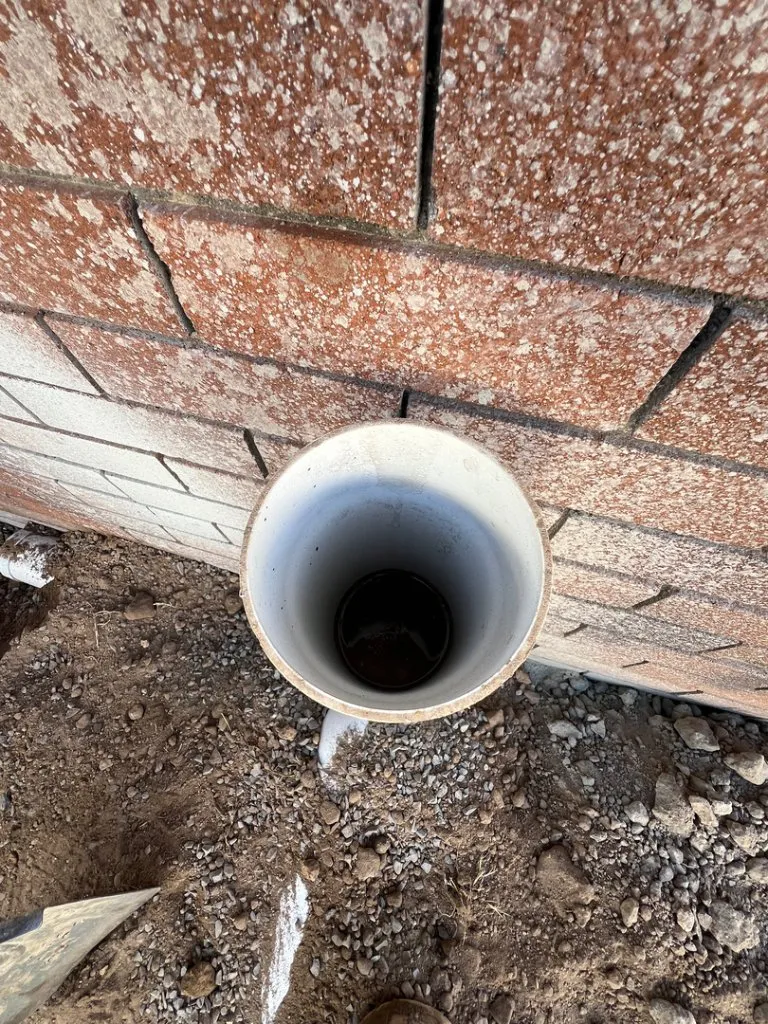
- Engage an accredited backflow plumber for a site assessment to confirm hazard rating across all water services.
- Confirm devices are installed at every connection — main building, fire service, irrigation and any plant/cooling equipment.
- Schedule annual testing and ensure passing results are lodged with Sydney Water within two days.
- Keep certificates on file for AGM reporting, insurance audits and pre-sale due diligence.
- Bundle with strata maintenance — schedule backflow testing alongside TMV servicing, fire hydrant booster checks and CCTV drain inspections to reduce site visits.
If your apartment block has not had its backflow devices tested within the last 12 months, or if you are unsure whether compliant devices are installed, the first step is to engage a licensed plumber accredited for backflow testing in NSW. For strata managers and building committee members in Wollongong, Kiama, Shellharbour and surrounding areas, Plumbing Creations provides backflow device installation, testing and maintenance.
Frequently Asked Questions
Who is responsible for backflow prevention in an apartment block?
The property owner — in strata schemes this is the owners corporation (body corporate) — is responsible for installing and maintaining backflow prevention devices. The strata committee typically manages this on behalf of all owners, ensuring annual testing is completed and certificates are kept on file.
How often should backflow devices be tested in NSW?
Devices installed at medium or high hazard properties must be tested at least annually by a licensed plumber endorsed for backflow testing. In NSW, the passing test results must be lodged with the relevant water authority within two days of the test.
What happens if my building fails a backflow test?
If a device fails its annual test, a licensed plumber must repair or replace it as soon as possible. The plumber will then retest the device and lodge the passing result. In the interim, the water authority may classify the property as non-compliant and issue a notice to rectify — in serious cases, supply can be disconnected.
Are fire hose reels in apartment blocks considered a hazard?
Yes. Fire service connections are typically classified as medium hazard. In NSW, they require a testable double check detector assembly (DCDA). The accredited plumber assessing your property will determine the exact type of backflow prevention needed based on the specific installation.
Can a strata manager arrange backflow testing themselves?
A strata manager can schedule testing on behalf of the owners corporation, but the actual testing must be performed by a licensed plumber who holds an endorsement for backflow testing. The manager should keep copies of test certificates and ensure testing is completed within the annual timeframe.
What is the difference between an RPZD and a double check valve?
A Reduced Pressure Zone Device (RPZD) is used for high hazard situations and provides the strongest level of protection. A double check valve assembly (DCV) is typically used for medium hazard situations. The accredited backflow plumber determines which device is required based on the site hazard rating assessed during installation.
Ensuring your apartment block's backflow prevention is up to date protects residents, avoids legal penalties and gives peace of mind to everyone in the strata scheme. Contact Plumbing Creations in the Illawarra for expert advice, site assessments and annual testing.